

Супутня подія MONDIACULT2025 | Культура заради миру та стійкості: Львівський культурний хаб
Read more
What You Need to Know
The project “Supporting Healing, Well-Being, and Mental Health of Local Communities Through Culture and Creative Expression”, implemented by the Institute “Respublica” in partnership with UNESCO, through collaboration with Lviv Culture Hub, brings culture and creativity to the forefront of psychosocial recovery for war-affected communities in Ukraine. The initiative is supported by the UNESCO Heritage Emergency Fund (HEF) and the Spanish Agency for International Development Cooperation (AECID), and forms part of UNESCO’s broader efforts to promote mental health and psychosocial support.
The project is designed to strengthen the emotional resilience of participants, combining elements of Ukrainian cultural heritage with evidence-based psychotherapeutic methods. From February 2024 to September 2025, the program reached over 110 participants, including children, adults, veterans, internally displaced persons (IDPs), and volunteers.
The “Art for Life” program is delivered along two complementary paths: intensive psychological camps for children and parents, and ongoing psychological support groups for vulnerable populations.
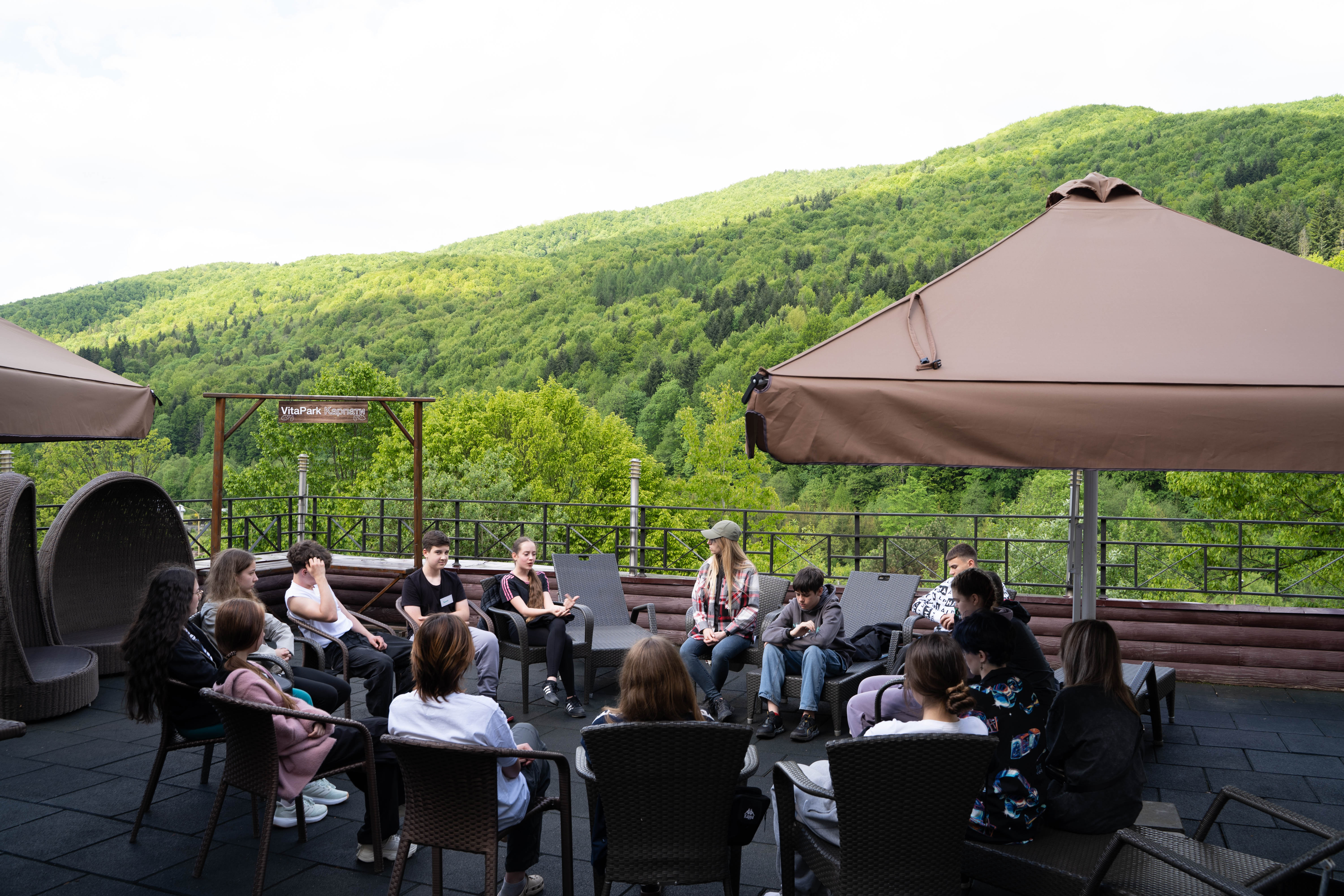
Two five-day camps took place in Zakarpattia region in February and May 2025, welcoming a total of 59 participants (30 children and 29 adults). Each camp provided a safe, nurturing environment where participants could explore their emotions, regain a sense of normalcy, and connect with others who shared similar experiences.
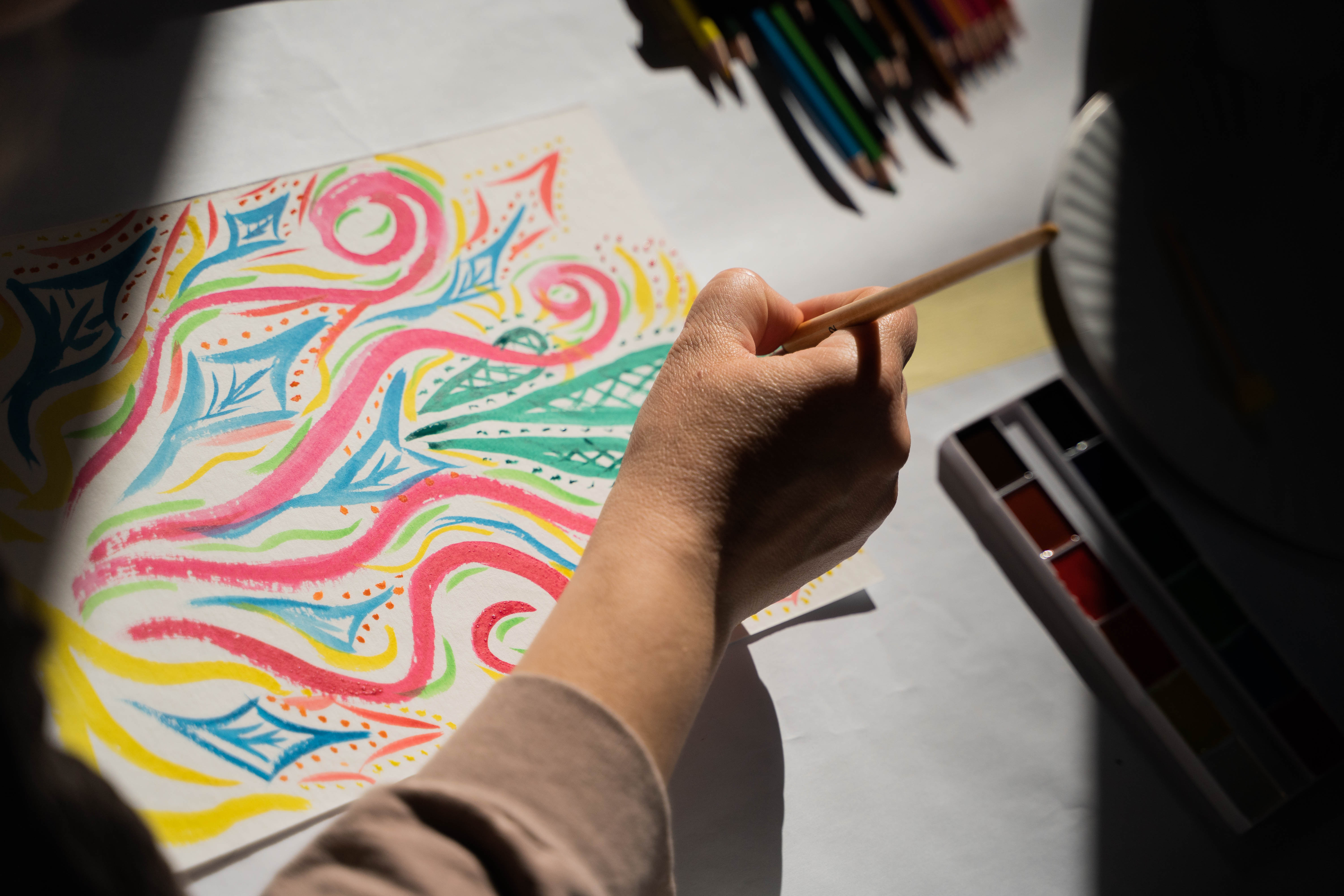
At these camps, children and adults engaged in art therapy, music therapy, drama therapy, and trauma-focused interventions. Each day combined structured workshops with moments of free creative expression. The camps emphasized emotional regulation, self-expression, and building personal and social resilience.
One mother from Kharkiv reflected on her experience:
"I had a full reset, a mental rest, and truly felt I was in a safe space with a warm, pleasant atmosphere and outstanding professional trainers who helped me see life and my state from a new angle."
Another participant shared the transformative impact on her child:
"This camp gave my child a first experience of safety in a group setting. I saw his shoulders lift and his posture change. He became calmer, more confident, and more open."
The demand for these camps was overwhelming. Over 700 families registered within two days for the first camp, highlighting the urgent need for safe, culturally enriched spaces for emotional recovery.
Alongside the camps, the project developed regular group therapy sessions integrating art, music, and drama therapy, specifically for veterans, IDPs, volunteers, teenagers, and children. These sessions, conducted between March and September 2025, engaged over 61 participants in Lviv and the surrounding region.
The program integrates Ukrainian cultural traditions, including Petrykivka painting, folk singing, and storytelling, with internationally recognized therapeutic practices. Participants have reported enhanced emotional expression, social integration, and a renewed sense of personal agency.

One participant, whose husband has been mobilized for a military, described the impact of the sessions:
"I love the atmosphere here. I relax, disconnect from everything, and gain deep insights. I haven’t missed a single session! Thank you for this opportunity."
A key feature of “Art for Life” is the integration of Ukrainian cultural heritage with contemporary mental health approaches. The Institute “Respublica” developed a comprehensive methodological framework and multimodal curriculum in collaboration with psychologists and artists, including Oleksandra Hlizhynska, Inna Dushka, Liudmyla Chernenko, Anna Yeryomenko, Halyna Dzhykayeva, Halyna Nazarenko, Victoria Uvarova, and Vitalia Deriabina.
This framework was informed by both international research in art, music, and drama therapy and traditional Ukrainian practices. It includes 60 therapy sessions: 15 each for music, theater, and visual art. Each session pairs a psychologist with an artist to ensure a therapeutic and culturally meaningful experience.
The project also held a Training of Trainers (ToT) in July 2024, certifying 16 professionals from Lviv and surrounding regions to deliver the program. This approach ensured sustainability, enabling local experts to continue supporting communities long after initial project activities.
By blending heritage and mental health interventions, the project contributes both to psychosocial recovery and the preservation and revitalization of Ukrainian cultural traditions.
The impact of the camps and group sessions has been measurable and profound. Using HADS (Hospital Anxiety and Depression Scale) and PCL-5 (PTSD Checklist for DSM-5) assessments, psychologists observed a 33–35% reduction in anxiety, depression, and PTSD symptoms among participants.
Participants reported improvements in:
Participants described profound personal insights:
"Through creativity, I realized I am multifaceted. I am not just a manager, but a loving mother and daughter. I am strong, yet sensitive and empathetic. I deserve the best because my strength is not only in achievements but in my ability to love, feel, and be myself." — Participant Halyna.
"I learned to appreciate my achievements and accept myself. I became calmer, more attentive to life’s small joys, and better able to manage stress." — Participant Oleksandr.
Mentors also emphasized the transformative power of the program:
"I know, feel, and see during the process how frozen souls, scorched in the hellfire of war, begin to warm up," — one of them says.
The program’s success reflects not only its methodological rigor but also the professional dedication of trainers and the safe, supportive environment provided to participants.
Implementing such a program during ongoing war posed challenges:
Despite these obstacles, the project successfully adapted to participant needs and delivered impactful, sustainable results.
Based on achievements in 2024–2025, the Institute “Respublica” plans to expand “Art for Life” to at least five communities across Ukraine in 2025–2026. Priority will be given to communities hosting large numbers of IDPs or located near high-risk frontline areas.
Through collaboration with local cultural centers, schools, libraries, NGOs, and community organizations, the program has established a strong foundation for long-term psychosocial and cultural recovery.
The initiative demonstrates that culture and creative expression are not just forms of art but powerful tools for emotional resilience, social cohesion, and community healing.
*****
This activity was supported by the UNESCO Heritage Emergency Fund. We wish to thank its donors: the Principality of Andorra, Canada, the Republic of Estonia, the French Republic, the Republic of Lithuania, the Grand Duchy of Luxembourg, the Principality of Monaco, the Kingdom of the Netherlands, the Kingdom of Norway, the Republic of Poland, the Qatar Fund for Development, the Republic of Serbia, the Slovak Republic, the United Kingdom of Great Britain and Northern Ireland, and ANA Holdings INC.
Other news
Explore additional news and updates to stay in the loop with our ongoing initiatives and achievements